

Hydrogen, Methane, and Hydrogen Sulfide: The Role of SIBO Breath Testing
If you are being evaluated for Small Intestinal Bacterial Overgrowth (SIBO), it’s important to know that not all SIBO cases are the same. Different microorganisms produce different gases in the digestive tract, and those gases can influence both symptoms and treatment decisions.
A SIBO breath test provides more than a simple positive or negative result. Understanding your test results can help explain why one person experiences diarrhea while another struggles with constipation or persistent bloating.
What Is SIBO?
SIBO occurs when bacteria that normally live primarily in the large intestine begin to grow excessively in the small intestine. As these microorganisms consume and ferment carbohydrates from food, they produce gases as natural byproducts of the fermentation process.
The primary gases measured during breath testing are:
- Hydrogen (H2)
- Methane (CH4)
- Hydrogen Sulfide (H2S)
These gases are absorbed through the intestinal wall into the bloodstream, transported to the lungs, and then exhaled in the breath. Measuring the concentration of these gases over a specific period of time via a breath test allows healthcare providers to identify abnormal fermentation patterns that may suggest bacterial overgrowth.
Common Symptoms of SIBO
- Bloating and distension
- Excessive gas and burping
- Abdominal pain and cramping
- Constipation and/or diarrhea
- Nausea and heartburn
Why Proper Testing Matters
Symptoms alone cannot confirm SIBO, as many digestive conditions share similar symptoms. Different types of bacterial overgrowth also require different treatment approaches. Therefore, accurate diagnosis is essential before beginning treatment. Testing, for example with a lactulose breath test, helps identify the severity and gas profile involved.
Hydrogen-Dominant SIBO
Hydrogenic SIBO is characterized by elevated hydrogen (H2) gas production from hydrogen-producing bacteria in the small intestine. This is one of the most commonly identified forms of bacterial overgrowth in the small intestines.
Common Symptoms
People with hydrogenic SIBO often experience:
- Abdominal bloating
- Loose stools or diarrhea
- Frequent bowel movements
- Gas and abdominal discomfort
While symptoms vary from person to person, H2 production is commonly associated with faster intestinal transit.
Clinical Implications
Identifying elevated H2 levels helps healthcare providers determine the type of microbial overgrowth present and supports the development of an individualized treatment plan. Knowing which gas is elevated can provide important insight into the underlying fermentation patterns occurring within the small intestine
Methane-Dominant Overgrowth
What It Means
Unlike hydrogen, methane (CH4) is produced by methane-generating microorganisms known as methanogens. Elevated CH4 on breath testing is often referred to as Methanogenic SIBO, although many experts now describe this condition as Intestinal Methanogenic Overgrowth (IMO).
Common Symptoms
Methane overproduction is commonly associated with:
- Constipation
- Slower digestive transit
- Persistent bloating
- Abdominal fullness
Many patients with methane elevation experience chronic constipation that is difficult to manage.
Clinical Implications
Methane-producing archaea differ from hydrogen-producing bacteria. Because of these biological differences, treatment approaches may vary depending on whether H2, CH4, or multiple gases are elevated. Identifying the dominant gas allows healthcare providers to make more personalized clinical decisions.
Hydrogen Sulfide SIBO
The Missing Piece in Traditional Testing
Historically, most breath tests measured only hydrogen and methane. While these tests remain valuable, they cannot detect hydrogen sulfide (H2S).
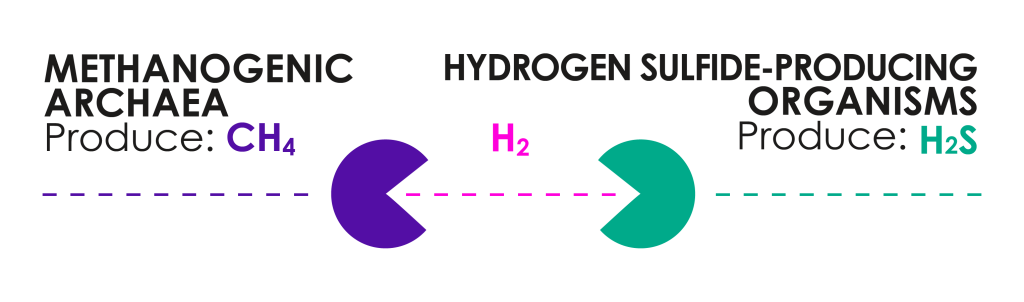
This limitation meant some patients continued to experience symptoms despite receiving “normal” breath test results because hydrogen sulfide production was not being measured. In addition, hydrogen sulfide-and methane-producing microorganisms consume hydrogen as a fuel source, potentially masking hydrogen levels and making interpretation of traditional two-gas tests more challenging.
Common Symptoms
Intestinal Sulfide Overproduction (ISO) is associated with diarrhea, and the level of hydrogen sulfide is correlated with the degree of diarrhea.
Clinical Implications
Hydrogen Sulfide SIBO has become an increasingly recognized contributor to digestive symptoms. Identifying H2S may help explain persistent gastrointestinal complaints in patients whose conventional breath tests appear normal. Measuring H2S can provide a more complete understanding of intestinal gas production and may identify cases that otherwise would have gone undetected.
SIBO Diagnostics' Breath Testing Options
QuinTron Breath Test
Widely recognized as a gold-standard diagnostic tool for SIBO, this breath test measures hydrogen and methane gases to help identify bacterial overgrowth in the small intestine.
This at-home collection kit is easy to use, and samples may be returned to our lab in Victoria, BC within 14 days for quick analysis.


Trio-Smart® Breath Test
An advanced breath test that measures hydrogen, methane, and hydrogen sulfide gases, providing a more comprehensive assessment of SIBO for complex cases.
Similar to the QuinTron SIBO kit, this test is easy to perform at home, and samples are returned to the Trio-Smart lab in Arizona, USA within 7-14 days for analysis.
SIBO Diagnostics provides lactulose as a substrate for both tests, as it has a broader testing scope than glucose, but glucose may also be used if deemed necessary by your healthcare provider.
How Healthcare Providers Use These Results
Breath test results help healthcare providers look beyond a simple positive or negative diagnosis. The gas profile may assist clinicians in:
- Determining the type of microbial overgrowth present
- Estimating the severity of abnormal fermentation
- Identifying mixed gas patterns
- Developing a personalized treatment strategy
- Monitoring response to therapy when appropriate
When interpreted alongside symptoms and medical history, breath testing becomes an important tool for individualized patient care.
Talk to Your Healthcare Provider
SIBO breath testing offers much more than a yes-or-no answer. Understanding whether hydrogen, methane, hydrogen sulfide, or a combination of these gases are elevated provides valuable insight into the underlying cause of symptoms.
As our understanding of the gut microbiome continues to evolve, comprehensive gas testing is helping clinicians make more informed diagnostic and treatment decisions. Choosing the appropriate breath test can provide a clearer picture of intestinal fermentation and support more personalized care.
If you’re experiencing symptoms consistent with SIBO or IMO, discuss with your healthcare provider which breath test is most appropriate for your symptoms, medical history, and clinical presentation. Selecting the right test from the beginning can help provide the most complete information for diagnosis and treatment planning.