

- Clinical Precision
Instruction : Quintron Breath Test
- DIAGNOSTIC TESTING
QUINTRON Breath Test: Trusted SIBO Diagnosis
Comprehensive breath testing solutions for Small Intestinal Bacterial Overgrowth (SIBO), utilizing clinically validated technology to help patients and healthcare providers identify digestive health concerns with confidence.

Preparing for Accurate Test Results
Following the recommended preparation guidelines helps ensure the most accurate and reliable breath test results possible.
Convenient at-home testing process
Complete any antibiotic, herbal antimicrobial, or antifungal treatments at least two weeks before testing. During this period, avoid procedures such as colonoscopies, barium enemas, or colonics, as they may affect intestinal motility and influence test outcomes.
7 Days Before Testing
Discontinue all probiotic supplements one week prior to testing to prevent interference with breath gas measurements.
4 Days Before Testing
Stop using pharmaceutical or natural laxatives, including high-dose vitamin C or magnesium supplements that cause diarrhea. If these products do not cause diarrhea, they may be continued until 48 hours before testing but should not be used the day before your test.
Your Final 24-Hour Testing Guide
Proper preparation on the final day before testing is essential for obtaining accurate and dependable results.
-
The Day Before Testing
Follow the preparation diet for the entire day before your test. Acceptable foods include meat, poultry, fish, seafood, eggs, white rice (jasmine or basmati), clear meat broth, approved fats and oils, and simple seasonings such as salt and pepper. Weak black coffee or weak black tea may also be consumed without sweeteners, cream, or herbal additives. Additionally, stop any non-essential medications after consulting with your healthcare provider.
-
12-Hour Fasting Period
Begin fasting 12 hours before your scheduled test time. During this period, avoid all food and beverages except water. Do not resume eating until the test is fully completed. Patients with diabetes should consult their physician before fasting.
-
Testing Day
Wake up at least one hour before beginning sample collection. You may brush your teeth as usual, but avoid smoking, exercise, and taking proton pump inhibitor (PPI) medications until after the test is completed.
-
During the Test
Carefully follow the instructions provided with your test kit and use the accompanying video tutorials as a visual guide. The test takes approximately three hours, with breath samples collected every 20 minutes. After providing your baseline sample, mix the provided lactulose solution with water, consume it immediately, and continue collecting samples according to the schedule until testing is complete.
Electrocardiogram (ECG)
Rapid, non-invasive assessment of the electrical activity of your heart to
detect arrhythmias, previous heart attacks, and other cardiac conditions.
Holter Monitoring
Continuous 24-48 hour ECG recording to capture intermittent heart rhythm
abnormalities during normal daily
activities.
Valve Care
Specialized diagnostics and
management for structural heart
diseases, including murmurs and valve
stenosis.
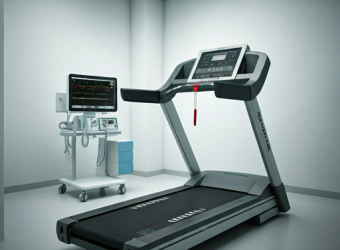
Stress Testing
Rapid, non-invasive assessment of the electrical activity of your heart to
detect arrhythmias, previous heart attacks, and other cardiac conditions.
Avoid These Common Collection Errors
To ensure sample quality and accurate laboratory analysis, keep the following tips in mind:
Maintain a tight seal around the mouthpiece to prevent room air from contaminating your sample.
Take a normal breath in through your nose before exhaling; avoid deep breaths, which can affect sample quality.
Exhale naturally over 2–4 seconds rather than blowing forcefully, and keep the breath bag inflated until the vial has been removed.
Puncture each collection tube only once and never remove the protective grey needle cover from the collection device.
Do not cover the airflow opening on the breath bag, as it is necessary for proper sample collection.
Use the provided bubble wrap to protect sample vials during shipping and remember to include your completed Patient Record Form with the return package.

Ready to Get Clear Answers About Your Digestive Health?
Order your QUINTRON Breath Test today and take the first step toward accurate SIBO diagnosis and informed care

FAQ's
What does the Quintron Breath Test detect?
The Quintron Breath Test measures hydrogen and methane gases in the breath to help identify Small Intestinal Bacterial Overgrowth (SIBO), a condition that may contribute to various digestive symptoms.
How long does the Quintron Breath Test take?
The testing process takes approximately three hours, with breath samples collected every 20 minutes according to the provided instructions.
Why is fasting required before the test?
Fasting helps establish an accurate baseline measurement and reduces the likelihood of food-related interference affecting test results.
Can I complete the Quintron Breath Test at home?
Yes. The Quintron Breath Test is designed for convenient at-home sample collection and includes detailed instructions to guide you through the process.
What symptoms may indicate the need for SIBO testing?
Individuals experiencing symptoms such as bloating, excessive gas, abdominal discomfort, diarrhea, constipation, or unexplained digestive issues may benefit from discussing SIBO testing with their healthcare provider.